
Cleaning your dryer’s lint filter takes seconds, yet it is one of the most important habits for a safe, efficient laundry room. A clogged lint screen makes your dryer work harder, stretches drying times and lets more lint escape into the vent, where it can build up and become a fire risk. This guide covers how to clean the lint screen properly, how to deep-clean it, what outdoor lint catchers do, and the signs that the problem is further down the vent.
Why a Clean Lint Filter Matters
- Fire safety: lint is highly flammable. The less of it in your dryer and vent, the lower the risk.
- Faster drying: clothes dry faster when air can flow freely.
- Lower energy use: shorter cycles mean less wasted energy.
- Longer dryer life: restricted airflow makes the dryer run hotter, which wears out parts.
- Cleaner air: a clogged system can push lint and moisture back into your laundry room.
How to Clean Your Dryer Lint Screen
After every load
- Pull out the lint screen.
- Roll the lint off with your fingers or a soft brush.
- Slide the screen back in fully before starting the next load.
Deep clean every month or two
Dryer sheets and fabric softener can leave an invisible film on the mesh that blocks airflow even when the screen looks clean. To check, run a little water over it: if water pools on top instead of passing through, it needs washing.
- Wash the screen in warm water with a little dish soap.
- Gently scrub both sides with a soft brush.
- Rinse and let it dry completely before putting it back.
- Vacuum the lint screen slot with a narrow attachment to remove lint that fell past the screen.
Contact Us
What About Outdoor Lint Catchers?
An outdoor lint catcher, or lint trap, attaches to the dryer vent opening on the outside of your home and catches lint that makes it past the indoor screen. It can help keep lint out of your yard and flowerbeds, but it needs to be emptied often. A full outdoor catcher restricts airflow just like a clogged screen. It is not a substitute for cleaning the vent duct itself, and you should check that any product you use is suitable for your dryer and local codes.
Signs the Problem Is in the Dryer Vent
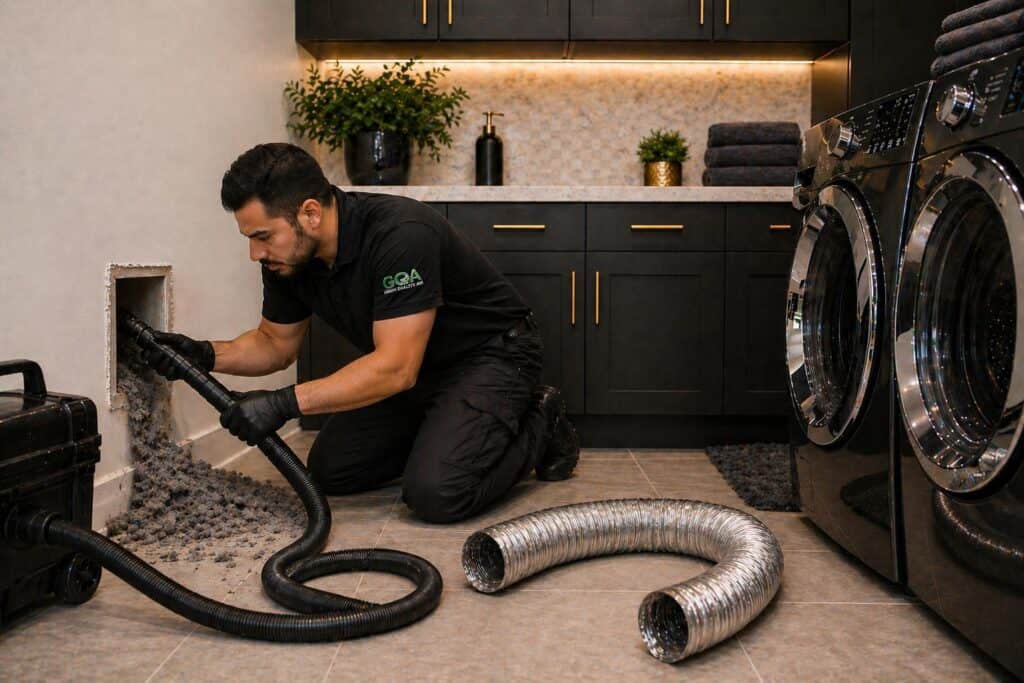
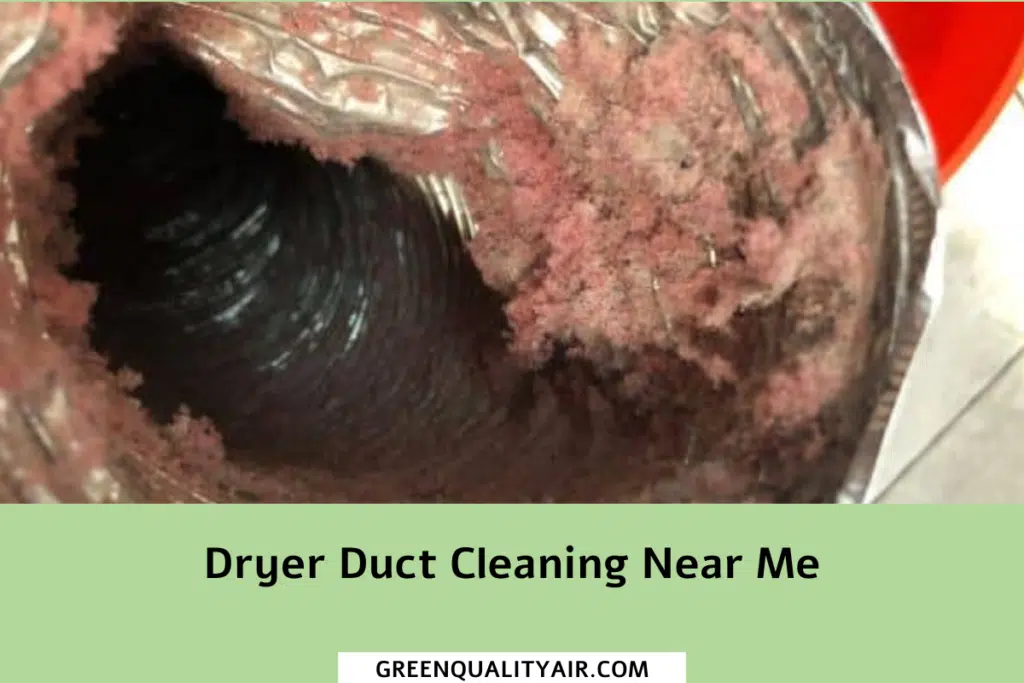
The lint screen only catches part of the lint. The rest travels into the vent duct, where it builds up over time. If you notice any of these, the vent likely needs cleaning:
- Clothes take more than one cycle to dry
- The dryer or laundry room gets unusually hot
- A burning smell during a cycle
- Lint around the outside vent flap, or the flap does not open when the dryer runs
Read the full list in 7 warning signs your dryer vent is clogged. When those signs appear, professional dryer vent cleaning clears the entire duct from the dryer to the outside.
Frequently Asked Questions
How often should I clean the lint filter?
Before or after every load, plus a wash with soap and water every month or two.
Is it safe to run the dryer without the lint screen?
No. Lint will go straight into the dryer and vent, quickly creating a clog and a fire hazard.
Why is there still lint on my clothes?
A clogged screen or vent reduces airflow, so lint stays in the drum instead of being carried away. Clean the screen and, if it continues, have the vent checked.
How often should the dryer vent be cleaned?
For most households, about once a year. Large families, pets or long vent runs may need it more often.
Keep Your Dryer Safe and Efficient
Green Quality Air provides dryer vent cleaning in Austin, San Antonio, Corpus Christi and surrounding Texas communities. Contact us to schedule a cleaning.